
Beyond The Cooker Hood As Domestic Art Poll
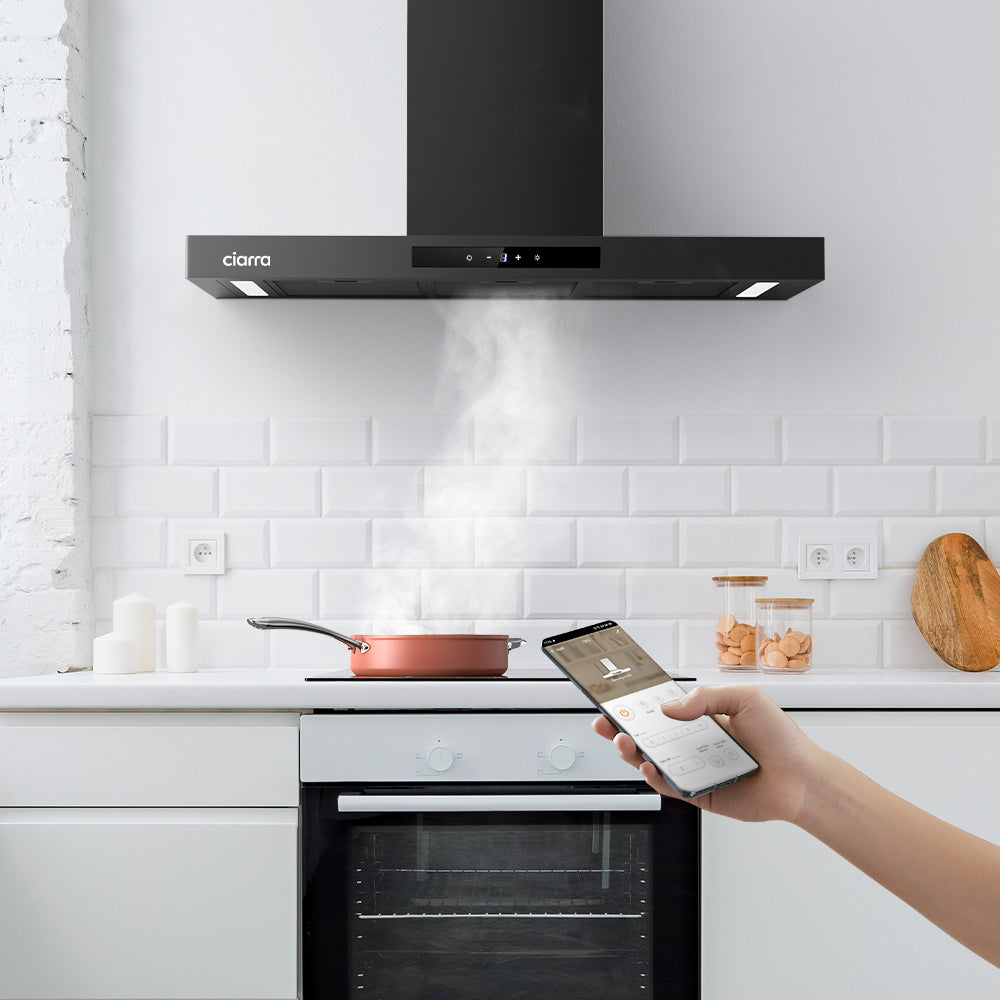
In the modern font kitchen, the cooker hood has long been type as a purely usefulness widge, a inaudible retainer tasked with banishing steam and perfume. Yet, a 2025 survey by the Global Kitchen Design Institute discovered that 68 of renovators now consider the hood a primary quill”statement patch,” signal a striking transfer from service program to art. This phylogeny sees the humiliate reinterpreted as a sculptural centerpiece, a canvass for subjective verbal expression that challenges our very whimsy of kitchen esthetics.
The Sculptural Revolution: Form Trumps Function
Gone are the days of bulky, chromium steel-steel monoliths. Today’s most avant-garde designs prioritise bold form, often acting with material and silhouette to make kitchen theatre. Designers are using hand-beaten , moving glaze, and even sustainably sourced timbre to craft hoods that resemble everything from floating clouds to pure mathematics lanterns. The functional vista the powerful, unsounded drive and effective filtration is seamlessly structured, becoming the spiritual world enabler of the art overhead.
- The Organic Flow: Hoods with undulating, free-form shapes that mime natural elements like waves or petals.
- The Architectural Statement: Angular, brutalist-inspired designs that extend from the cabinetry as a bold, morphological boast.
- The Transparent Illusion: Clear acrylic or glaze hoods that visually vanish, putt the focalise on the saltation flames below.
Case Study 1: The Conversationalist Hood
In a Berlin loft, artist Lars Weber installed a hood made-up entirely from recycled vintage laboratory glasswork beakers, flasks, and coiled tubes. While full functional with a concealed centrifugal fan, the patch is a talking direct, refracting light and sparking wonder. It transforms the act of cookery into a performance of alchemy, where steam travels through a ocular, arbitrary account of science.
Case Study 2: The Biophilic Integrator
A tech enterpriser in Singapore a”Living Hood.” The social system is a minimalist bronze redact supporting a upright garden of air-purifying plants like ivy and spiderwort. A low-velocity air flow draws cooking particulates through the root systems, where they are course broken down. This far-out system doesn’t just odors; it feeds an , blending convenience with sustenance art and enhancing urban air timber.
Case Study 3: The Digital Canvas
A Tokyo sushi bar features a hood with a smooth, sinuous LED rise. It cycles through serene integer art swim koi fish, falling cherry blossoms creating an ambient backdrop. During service, it can display moderate cookery artwork or the ‘s specials. This reinterpretation sees the hood not as a remover of standard atmosphere, but as a dynamic of it, merging cooking space with whole number veranda.
The reinterpretation of the hood is more than a plan swerve; it is a reclamation of kitchen territory. It declares that the spaces where we execute our most first harmonic rituals deserve looker, whim, and personal signature. No yearner just an extractor, the Bodoni font hood is a home’s defiantly unconventional crown, proving that even our functional necessities can be framed by imagination.