
Choosing a dress for a girl is about more than picking something with attractive colors or decorative details. A beautiful dress should suit the occasion, feel comfortable, fit properly, and allow the wearer to move freely. Style matters, but comfort and practicality matter just as much.The meaning of beauty in clothing can also change with age, personality, season, and event. 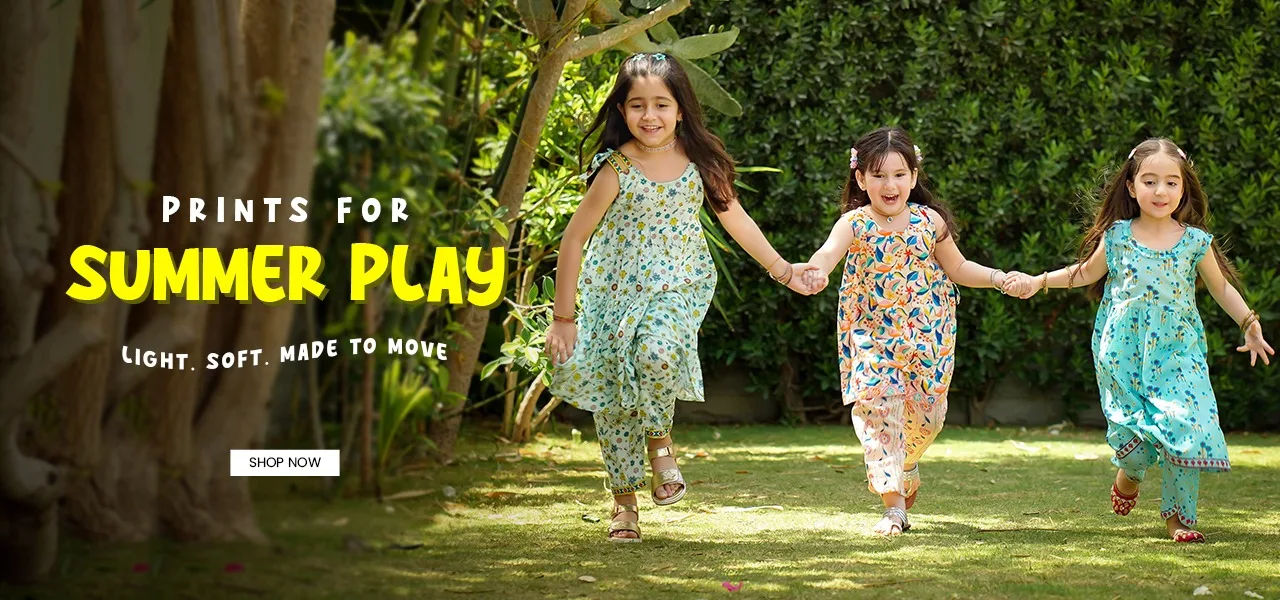 A dress that looks perfect for a birthday party may not be suitable for school, while a simple cotton dress can be an excellent choice for a casual family gathering.
When parents and girls explore beautiful dresses for girls, they often look for designs that combine charm, comfort, quality, and age-appropriate styling. The best choice is usually one that makes the girl feel comfortable and confident rather than one that simply follows a temporary fashion trend.
What Are Beautiful Dresses for Girls?
Beautiful dresses for girls come in many different styles. Some have simple designs with clean lines, while others feature embroidery, lace, bows, pleats, sequins, floral prints, or layered skirts.
A beautiful dress does not have to be heavily decorated. In many cases, a well-fitted dress in a pleasant color can look more attractive than an outfit covered with unnecessary embellishments.
The overall appearance depends on several details working together. Fabric, color, length, neckline, sleeves, stitching, fit, and finishing can all influence how a dress looks.
Age is another important consideration. Dresses for younger girls often have playful patterns and comfortable shapes. Older girls may prefer more refined designs, including modest maxi dresses, elegant frocks, embroidered outfits, or fashionable casual dresses.
Popular Styles of Beautiful Dresses for Girls
Floral Dresses
Floral dresses remain a popular choice because flowers naturally create a cheerful and feminine appearance. Small floral patterns can produce a delicate look, while larger prints can make an outfit more noticeable.
Cotton floral dresses are particularly useful for warm weather. They can be comfortable for daytime activities, family visits, picnics, and informal celebrations.
For a more polished appearance, floral prints can be paired with simple accessories. There is usually no need to add too many decorative pieces when the dress already has a detailed print.
Party Frocks
Party frocks are among the most recognizable beautiful dresses for girls. They are commonly designed with fuller skirts, decorative sleeves, bows, embroidery, or layered fabrics.
A party frock can be appropriate for birthdays, weddings, Eid celebrations, school functions, and other special occasions.
However, appearance should not come at the expense of comfort. A dress with an extremely stiff skirt or scratchy decoration may look impressive for a few minutes but become uncomfortable during a long event.
Maxi Dresses
Maxi dresses offer a graceful appearance while providing plenty of coverage. Depending on the fabric and design, they can work for formal occasions as well as casual outings.
Lightweight maxi dresses are useful during warmer months. For formal events, designs with embroidery, subtle embellishment, or textured fabrics can create a more sophisticated appearance.
The length should always be checked carefully. A dress that is too long can become difficult to walk in, especially for younger children.
A-Line Dresses
A-line dresses are wider toward the bottom and generally have a comfortable, uncomplicated shape. This design works well for many body types and age groups.
The simplicity of an A-line dress also makes it easy to style. A patterned dress can stand alone, while a plain version can be paired with a cardigan, jacket, belt, or other suitable accessory.
Princess-Style Dresses
Princess-style dresses often feature fitted or structured upper sections combined with a fuller skirt. They are particularly common for birthdays, formal parties, weddings, and photographs.
Tulle, satin, organza, and layered fabrics are sometimes used to create volume. These materials can produce a dramatic appearance, but parents should check whether the fabric is soft enough for extended wear.
Casual Cotton Dresses
Not every dress needs to be designed for a special event. Casual cotton dresses can be among the most useful beautiful dresses for girls because they combine attractive designs with everyday practicality.
Cotton is especially comfortable in warm climates because lightweight cotton fabrics generally allow better airflow than many heavier synthetic materials.
Simple stripes, checks, small prints, and solid colors can all work well for casual dresses.
Choosing the Right Fabric
Fabric has a major effect on how a dress feels and looks.
Cotton is a practical option for everyday wear. It is generally breathable and available in many weights, colors, and prints.
Lawn and other lightweight fabrics can be useful in hot weather. Their lighter construction can make them more comfortable for outdoor activities and daytime events.
Chiffon can create a soft, flowing appearance and is often used in formal clothing. Because it can be delicate, it may require more careful handling.
Organza provides structure and can make skirts appear fuller. It is often used as an outer layer in party dresses.
Satin has a smooth, shiny appearance that can look elegant at formal events. However, some satin fabrics can feel less breathable than cotton, so the lining and overall construction should be considered.
Velvet is commonly associated with winter clothing. Its heavier texture can make a dress feel warm and luxurious, although it may not be comfortable in hot weather.
The right fabric depends on the occasion, season, climate, and amount of activity expected.
How Color Affects the Appearance of a Dress
Color is one of the first things people notice about clothing. It can completely change the personality of a dress.
Pastel shades such as soft pink, lavender, peach, mint, and light blue often create a gentle appearance. Brighter shades such as red, royal blue, emerald, or yellow can create a more energetic look.
White and cream dresses can appear elegant and traditional, particularly for formal occasions. However, they may require extra care because stains are easier to notice.
Dark colors can provide a more sophisticated appearance, while colorful prints can make casual outfits feel playful.
Rather than following a strict rule about which colors girls should wear, it is better to consider personal preference, the event, and the existing wardrobe.
Getting the Right Fit
Even the most attractive dress can look uncomfortable if it does not fit properly.
Parents should check shoulder width, chest measurement, waist placement, sleeve length, and overall dress length. Different brands can use different sizing systems, so relying only on a child's usual size may not always work.
A dress should provide enough room for normal movement. Girls should be able to sit, walk, bend, and raise their arms without feeling restricted.
For growing children, buying a slightly generous size can sometimes be practical. However, a dress should not be so large that it becomes difficult to move safely.
Fit is especially important when choosing beautiful dresses for girls for weddings or other long events. A child may wear the outfit for several hours, making comfort just as important as appearance.
Dresses for Different Occasions
Birthday Parties
Birthday parties allow more freedom with colors, patterns, and decorative details. Tulle skirts, floral prints, bows, sequins, and playful designs can all work depending on the girl's preferences.
Comfort remains important because children are likely to spend much of the party walking, playing, and interacting with others.
Weddings
Weddings often call for more polished clothing. Embroidered dresses, elegant frocks, maxi dresses, and coordinated formal outfits can be suitable.
The dress should complement the formality of the event without making movement unnecessarily difficult.
Eid and Family Celebrations
Traditional details can make Eid clothing especially attractive. Embroidery, printed fabrics, decorative borders, lace, and coordinated dupattas can add character to an outfit.
For children, lightweight fabrics are often preferable when celebrations involve visiting several homes or spending time outdoors.
School Events
School events may have specific dress codes, so those requirements should come first. A neat, comfortable dress is generally more useful than an elaborate outfit.
Parents should also consider whether the child will need to sit, stand, perform, or move around during the event.
Everyday Wear
Everyday dresses should be practical. Cotton, lawn, jersey, and other comfortable fabrics can work well depending on the season.
Simple dresses with durable stitching and easy-care fabrics can become wardrobe staples.
Age-Appropriate Dress Selection
A dress should suit the child's age as well as the occasion.
For younger girls, comfort and freedom of movement are especially important. Soft fabrics, simple fastenings, elastic waistbands, and playful prints can make clothing easier to wear.
For school-age girls, personal preferences often become more important. They may have favorite colors, patterns, characters, or silhouettes.
Teenagers may prefer more mature styling while still wanting comfortable and age-appropriate clothing. At this stage, involving them in the selection process can help ensure that they actually enjoy wearing the dress.
There is no single definition of beautiful dresses for girls because individual taste develops over time.
Details That Can Make a Dress Stand Out
Small details can transform an ordinary dress into something memorable.
Embroidery can add traditional character. Lace can create a delicate appearance. Pleats can give a skirt structure, while ruffles can make a dress feel playful.
Buttons, belts, bows, decorative collars, contrast stitching, and patterned borders can also add visual interest.
The key is balance. Too many details can make a dress appear crowded. A strong design usually has one or two features that attract attention without competing with everything else.
Matching Accessories With Dresses
Accessories can complete an outfit, but they should complement the dress rather than overpower it.
Hairbands, clips, small handbags, simple jewelry, scarves, and comfortable shoes can all be selected according to the event.
For a heavily decorated dress, understated accessories often work better. A simple dress provides more freedom to experiment with accessories.
Shoes should receive particular attention. A beautiful outfit is not very useful if the shoes cause discomfort during a long event.
Seasonal Considerations
The season should influence both fabric and design.
During summer, lightweight and breathable materials are usually more comfortable. Short sleeves, sleeveless designs where appropriate, and relaxed silhouettes can help children stay comfortable.
Winter dresses can use heavier fabrics or be layered with sweaters, tights, jackets, or cardigans.
Spring and autumn provide opportunities for medium-weight fabrics and layering. A versatile dress can be worn differently as temperatures change.
Choosing seasonally suitable beautiful dresses for girls helps ensure that the clothing is attractive without becoming impractical.
Quality Matters More Than Decoration
Parents sometimes focus heavily on decorative elements when buying children's clothing. However, stitching, fabric quality, seams, buttons, zippers, and lining can be more important for long-term use.
Check whether seams are secure and whether decorative pieces are firmly attached. Rough stitching or scratchy material can make a child uncomfortable.
A well-made simple dress may remain useful much longer than an elaborate dress made from poor-quality materials.
Durability is particularly valuable for children because clothing often faces frequent washing, outdoor activity, food stains, and everyday wear.
Caring for Beautiful Dresses
Proper care helps preserve both appearance and fabric quality.
Always check the garment's care instructions before washing. Some formal fabrics require hand washing or dry cleaning, while cotton dresses may be easier to maintain.
Stains should be addressed as soon as practical. Leaving a stain untreated can make it more difficult to remove later.
Formal dresses should also be stored carefully. Hanging them properly or folding delicate garments with appropriate protection can help prevent unnecessary creasing and damage.
Common Mistakes to Avoid
One common mistake is choosing a dress based entirely on appearance. Children need clothing that allows them to move comfortably.
Another mistake is ignoring the weather. A heavy formal dress may look beautiful but become unpleasant during a hot outdoor event.
Buying the wrong size is another frequent problem. Measurements are more reliable than assumptions about standard sizes.
Parents should also avoid purchasing clothing solely because it is fashionable. Trends change quickly, while comfort, quality, and personal preference remain important for much longer.
Finally, avoid assuming that expensive decoration automatically means better quality. Construction and fabric often tell you more about a garment's usefulness than the number of embellishments.
How to Choose a Dress Girls Will Actually Wear
The simplest approach is to involve the girl in the decision.
Give her a few suitable choices rather than making every decision without her input. This allows parents to maintain practical boundaries while giving the child a sense of ownership.
Ask whether the fabric feels comfortable. Check whether she can move easily. Consider whether she likes the color and style.
A dress that looks excellent on a hanger may not be the right choice if the wearer dislikes it.
The best beautiful dresses for girls are therefore not simply the ones that photograph well. They are the ones that combine appearance with comfort, confidence, practicality, and personal taste.
Conclusion
Beautiful dresses for girls can range from simple cotton outfits to elaborate party frocks, embroidered dresses, floral designs, maxi dresses, and princess-inspired styles. There is no single design that works for every child or every occasion.
The right dress depends on several factors, including age, personal preference, weather, fabric, fit, event, and expected activity. A wedding may call for a more formal design, while an everyday outing may be better suited to a lightweight cotton dress.
Color and decoration can certainly make an outfit attractive, but they should not overshadow comfort and quality. Soft fabrics, secure stitching, suitable sizing, and practical construction can make a much greater difference to the overall experience.
When selecting beautiful dresses for girls, think beyond the first impression. Consider how the dress feels after an hour, whether the child can move comfortably, how easily it can be cleaned, and whether it fits her personality.
A truly successful dress brings these elements together. It looks attractive without being impractical, feels comfortable without sacrificing style, and suits the occasion without making the child feel restricted.
Ultimately, the most beautiful dress is one that the girl enjoys wearing and feels comfortable in. When style, quality, comfort, age-appropriate design, and personal preference come together, the result is an outfit that looks good and works well in real life.